B2B buyers rarely choose a supplier after reading one short definition. They compare approaches, check risks, involve colleagues and ask detailed questions. Generative Engine Optimization (GEO) can help a service company make useful information available during that research process. The objective is not to force an AI recommendation, but to make your expertise understandable, verifiable and worth referencing.
This guide uses a fictional operations consultancy as an example. No client results or AI citation rates are implied.
Why B2B search requires different content
Imagine an operations director considering process automation. The initial question may be "Which business processes are suitable for automation?" A finance colleague may ask about controls and data protection. The managing director may want implementation costs and business disruption explained.
One generic landing page is unlikely to answer all these questions well. Yet creating a separate page for every wording variation is equally unhelpful. Organize the content around distinct decisions and audiences instead.
| Buyer | Main concern | Content worth publishing |
|---|---|---|
| Operations | Will this improve the workflow? | Before-and-after process example |
| Finance | What affects total cost? | Cost drivers and assumptions |
| IT | How does it integrate? | Technical requirements and limitations |
| Leadership | What could go wrong? | Rollout steps and governance checklist |
Build a three-layer content system
Layer 1: Clear commercial service pages
State the precise work you perform, who it is for, your process and the boundaries of the service. Replace "digital transformation solutions" with a description a real prospect could use to decide whether to contact you.
For example: "We help finance teams map invoice approval workflows, identify repetitive steps and introduce suitable automation, with human review where needed." Only use this wording if it truly reflects the service.
Layer 2: Decision-support articles
Create guides that address common evaluation questions: build versus buy, implementation timeline, data requirements, governance and vendor selection. These articles may attract early-stage visitors and help sales conversations later.
Use comparison tables with criteria instead of declaring a universal winner. Explain when a proposed solution is not suitable.
Layer 3: Verifiable proof
When possible, add documented methods, real project lessons, transparent case studies with permission or original testing. A hypothetical scenario can be useful for teaching but must be labelled as illustrative. Never manufacture customers, percentages or quotations.
Write for multi-step questions
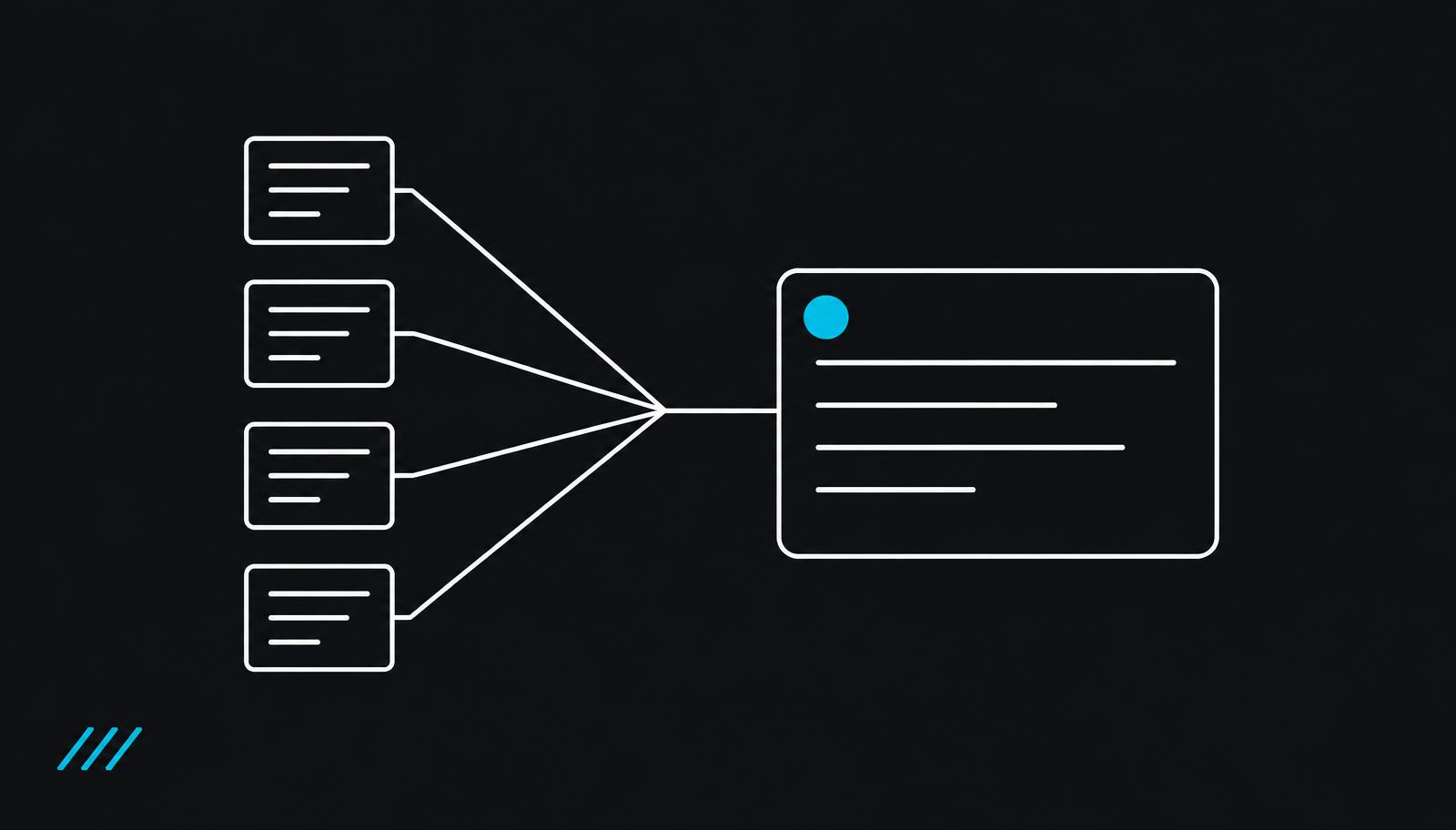
Google says AI Overviews and AI Mode may use multiple related searches to answer complex prompts. For a B2B question, those subtopics might include cost, security, alternatives and implementation time.
Cover relevant questions within a coherent topic cluster. Link a broad decision guide to a detailed technical article and, when appropriate, back to the corresponding service page. This supports human navigation and makes the content easier to discover.
Make your business identity consistent
Your About page, service pages and legitimate professional profiles should not contradict one another. Define the industries you support, locations you serve, contact details and the limits of your work. If you have partnerships or qualifications, state only those that are accurate and current.
GEO is often discussed as if a schema tag could replace reputation. It cannot. Structured data should reflect visible facts; independently verifiable information provides important context for buyers.
A five-question B2B content audit
For each important service, answer:
- Can an unfamiliar buyer understand the service in 30 seconds?
- Is the ideal customer recognizable from the page?
- Are process, assumptions and limitations documented?
- Can a specialist verify important technical claims?
- Is there a logical next step to discuss a relevant project?
If one answer is no, fix the page before writing another generic industry article.
How do you measure B2B GEO?
Use a small, repeatable set of actual buyer questions and track mentions, citations and competitors by platform. Compare this with Google Search Console's generative AI performance reporting and identifiable AI referrals in analytics. Most importantly, track whether people make relevant enquiries. Longer B2B sales cycles mean a citation is not the same as revenue.
GEO for B2B succeeds when it makes complex decisions clearer. Explore our GEO service approach and AEO services for a connected content strategy.